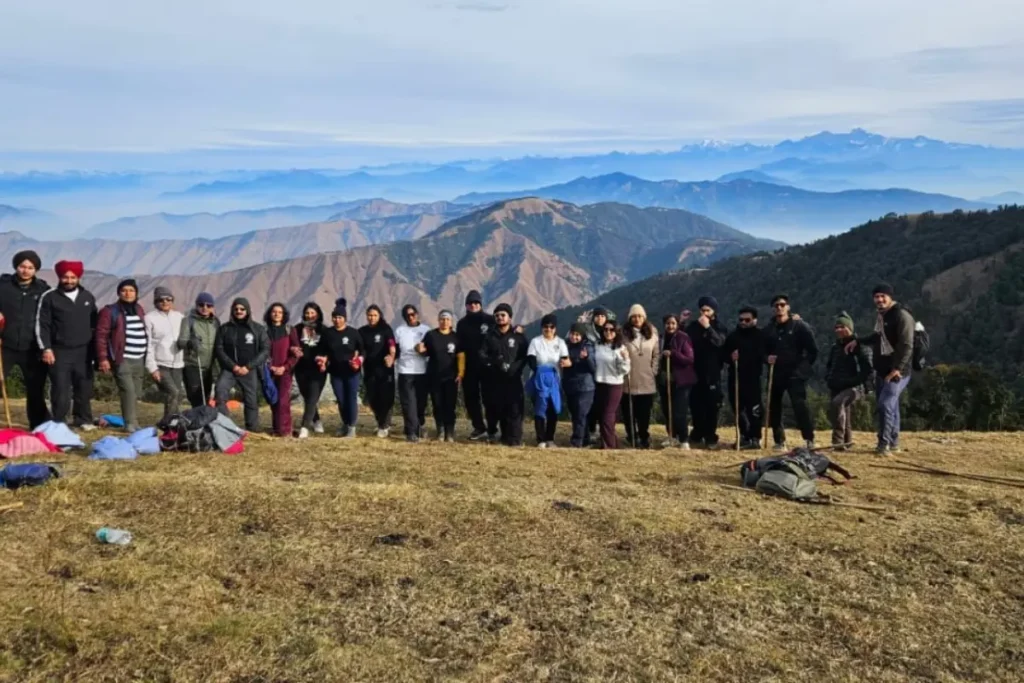
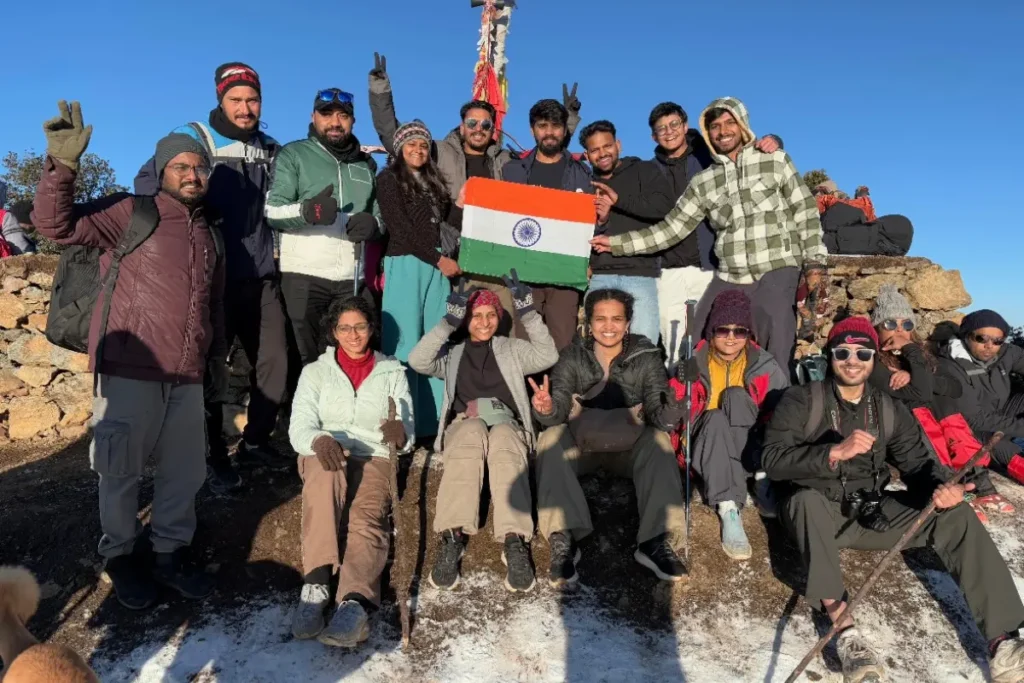
The best time to trek Nag Tibba depends on what kind of experience you want.
For clear mountain views and comfortable trekking conditions, September to November is one of the best periods. If you want to experience snow, December to February is the preferred season. March to May is another excellent window, with pleasant weather and spring greenery.
Nag Tibba can be trekked during much of the year, but the monsoon months require extra caution because rain can make trails slippery and visibility can change quickly.
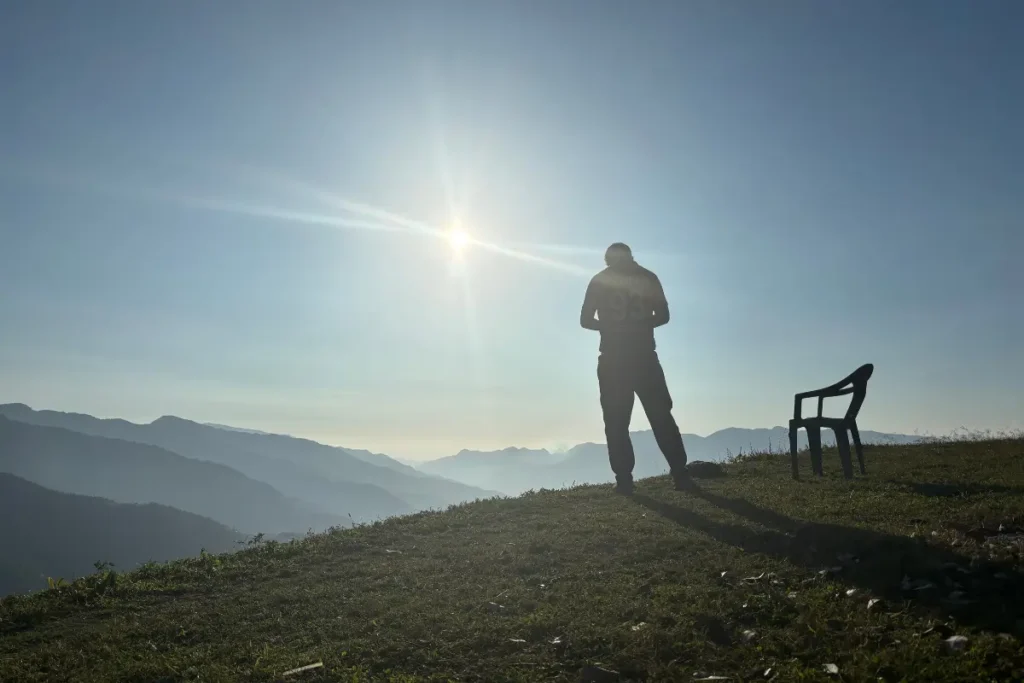
Nag Tibba Trek: Best Months at a Glance
| Month | What to Expect | Best For |
|---|---|---|
| January | Snow-covered trails and cold weather | Snow trekking |
| February | Snow and winter landscapes | Snow lovers |
| March | Pleasant weather and the beginning of spring | Beginners & nature lovers |
| April | Green forests and spring scenery | Comfortable trekking |
| May | Pleasant days and warmer conditions | Weekend trips |
| June | Warmer weather and changing conditions | Early summer trekking |
| July | Rain and slippery trails | Generally avoid |
| August | Heavy monsoon conditions | Generally avoid |
| September | Green landscapes and improving weather | Nature & trekking |
| October | Clear skies and excellent visibility | Best overall |
| November | Crisp weather and clear mountain views | Best for views |
| December | Cold weather and chances of snow | Winter experience |
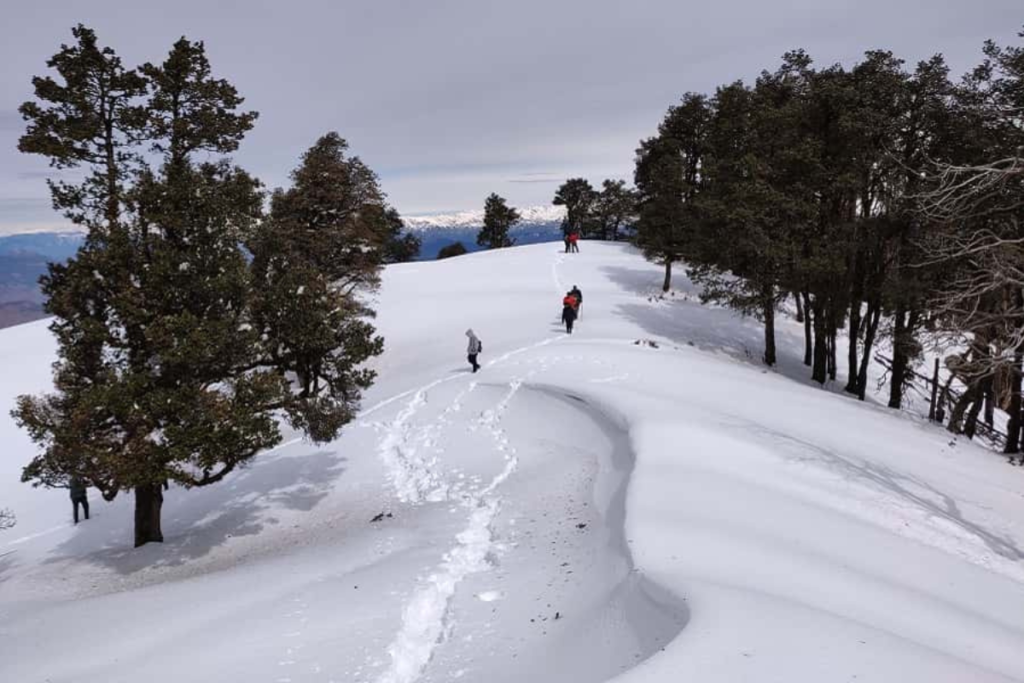
Nag Tibba Trek in Winter: December to February
Winter is the season to choose if your main goal is to experience snow on Nag Tibba. December can mark the beginning of the winter experience, while January and February are generally more suitable for travellers specifically looking for snowy landscapes.
The trail and campsite can look dramatically different under snow, but temperatures can be very low. Proper winter clothing, suitable trekking shoes and guidance are important.
Nag Tibba Trek in Spring: March to May
Spring brings a different side of Nag Tibba. The weather becomes more comfortable, forests become greener, and the landscape starts coming alive after winter.
March to May is a great choice if you want to trek without extreme winter conditions and enjoy the natural scenery along the trail.
Nag Tibba Trek in Monsoon: July to August
Monsoon brings lush greenery to the mountains, but it can also make trekking conditions more challenging. Rain can make sections of the trail slippery, while clouds and mist may reduce visibility.
If you are planning a monsoon trek, check the latest weather and trail conditions before travelling. For most first-time trekkers, it is better to choose a more stable season.
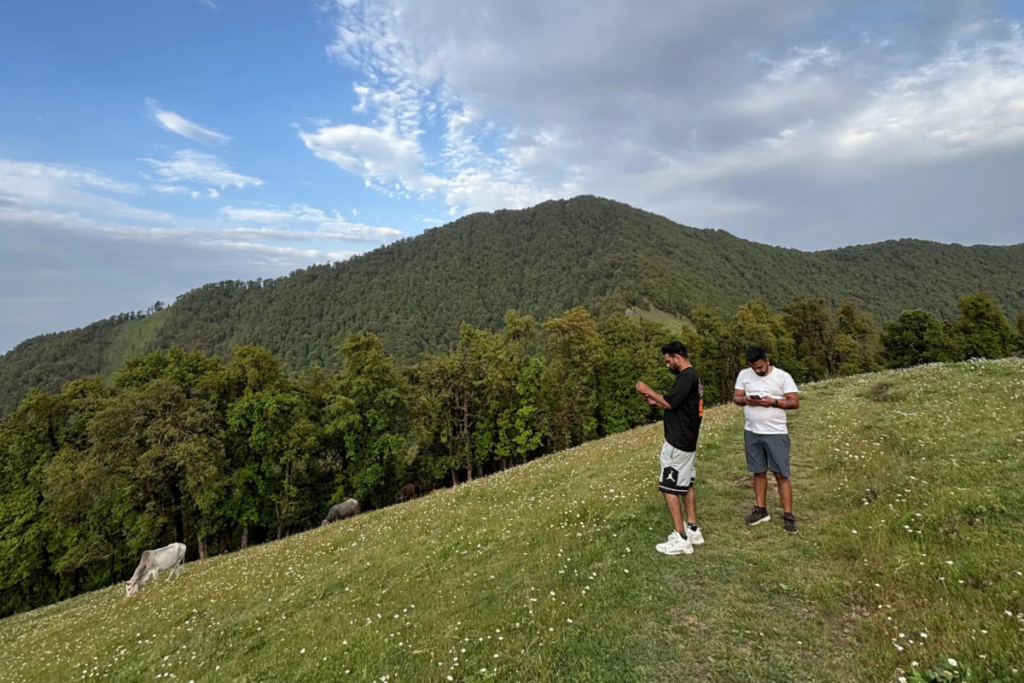
Nag Tibba Trek in Autumn: September to November
For many trekkers, September to November is the sweet spot for Nag Tibba.
After the monsoon, the landscape becomes fresh and green, while clearer skies can provide excellent mountain views. October and November are particularly attractive for photographers and trekkers who prefer comfortable conditions without heavy snow.
So, Which Month Is Best for Nag Tibba?
Choose your month based on the experience you want:
For snow: January and February
For pleasant weather: March to May
For clear mountain views: October and November
For greenery: September
For a winter experience: December to February
If you are trekking Nag Tibba for the first time and don’t specifically need snow, October and November are excellent choices because of the combination of comfortable trekking conditions and clear views.
Plan Your Nag Tibba Trek
Nag Tibba is a relatively short Himalayan trek and can be a great weekend adventure for beginners as well as experienced trekkers. Before planning your trip, check the current weather, trail conditions and trek itinerary.